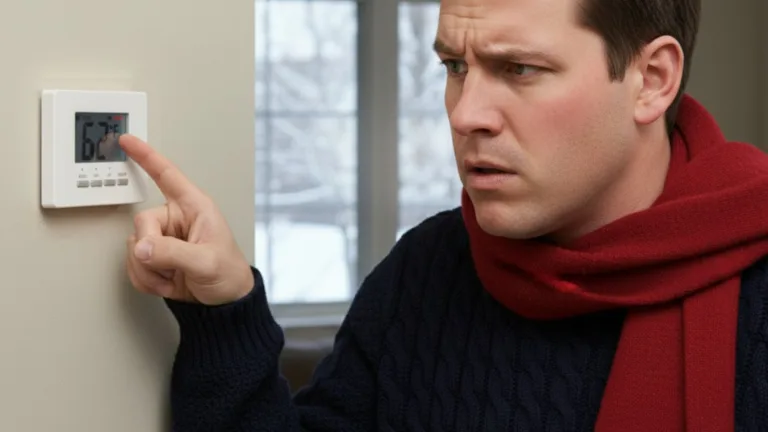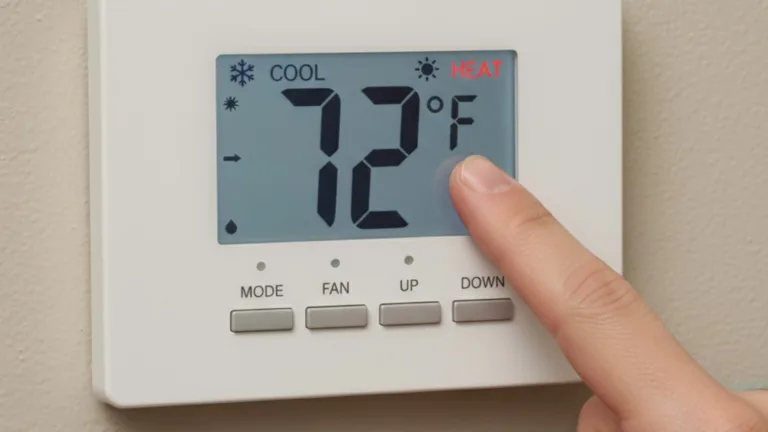
The calendar says it’s late fall, but your thermostat is confused, especially here in the San Gabriel Valley. One minute the sun is blazing and pushing temperatures into the upper 70s, and the next, a chilly evening dip into the low 50s has you reaching for the heat.
If you find yourself constantly flipping that switch, stop! While it seems like a simple, immediate fix for comfort, rapidly switching your air conditioner or heat pump between cooling and heating (or vice-versa) is one of the most inefficient things you can do for your system.
The Problem: Overshooting and Wasted Energy
Your HVAC system is designed to work in extended cycles to reach and maintain a set temperature efficiently. When you rapidly switch modes, you force the system to go through a complex, power-intensive process repeatedly, which often leads to overshooting your desired temperature.
1. The Energy Spike
Every time your HVAC system (especially a central AC or heat pump) kicks on, it experiences an initial surge of electricity. This is particularly true for the compressor, the “heart” of your unit.
- Starting the Compressor: When the compressor starts, it draws a significant amount of power.
- Rapid Cycling: Constantly switching modes means the compressor has to start, stop, and then immediately start again in the opposite function. This creates multiple energy spikes in a short period, wasting electricity and driving up your utility bills. It’s far more energy efficient to run a system for a longer, consistent cycle than many short bursts.
2. The Reversal Delay
If you have a heat pump (which is essentially an air conditioner that can run in reverse), the system must perform a complicated reversal process.
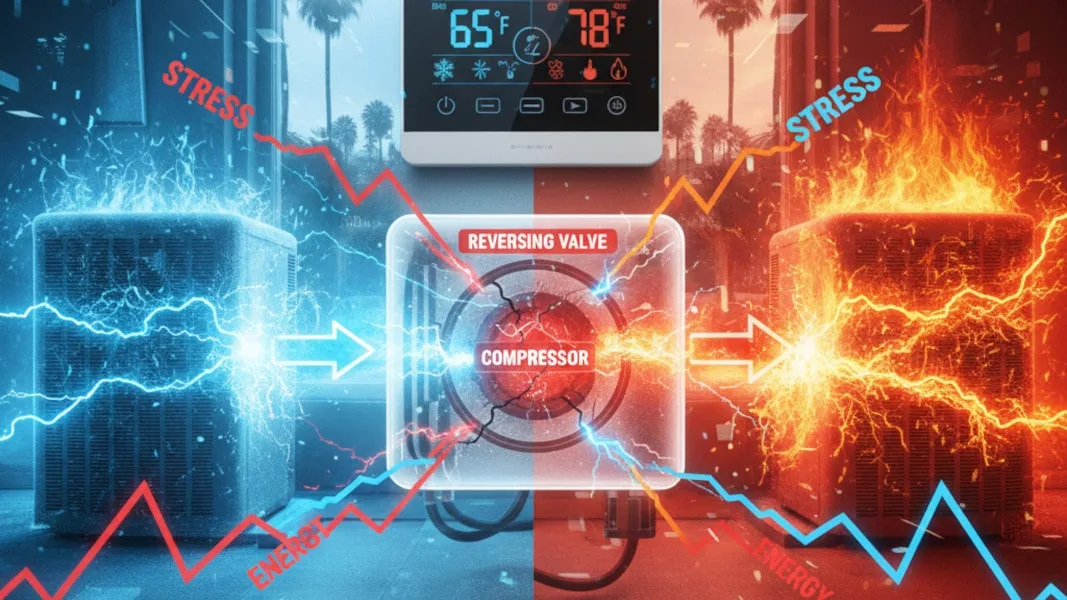
To switch from cooling to heating, a critical component called the reversing valve must engage. This valve changes the direction of the refrigerant flow.
- Cooling Mode: The outdoor coil acts as the condenser, releasing heat outside.
- Heating Mode: The reversing valve switches the flow, making the outdoor coil act as the evaporator, absorbing heat from the outside air and bringing it in.
This entire process is not instantaneous. The system has to stabilize the refrigerant pressures and temperatures before the new mode can begin working efficiently. Constantly forcing this reversal puts unnecessary stress on the components.
The Damage: Wear and Tear on Key Components
The immediate discomfort of a few extra minutes of heat or cool air is minor compared to the potential long-term damage caused by rapid switching.
3. Stress on the Compressor
The compressor is the single most expensive component of your HVAC system. It requires time to equalize the pressure of the refrigerant inside its lines after it shuts down.
If you switch the mode and restart the compressor too quickly (a process known as short cycling), it forces the motor to start against extremely high pressure. Over time, this stress can lead to:
- Overheating and Failure: Excessive heat generated by the strain can cause the motor windings to fail.
- Reduced Lifespan: Repeated high-stress starts will inevitably shorten the overall life of the compressor, leading to costly premature replacement.
4. Overworking Electrical Components
The constant switching strains the system’s electrical components, including contactors and capacitors. These parts are designed to handle cycles, but not rapid, back-and-forth toggling. The high current draw during the start-up phase can degrade these components, leading to eventual failure and a non-functional system.
The Solution: Set It and Forget It (Mostly)
So, how should you manage those tricky, fluctuating temperatures?
Embrace the Buffer
Instead of rapidly changing the mode, try to allow a small buffer of discomfort for a short time.
- If the house gets warm for an hour, wait and see if the temperature stabilizes before engaging the AC.
- If you’re running the AC, but the evening chill sets in, throw on a sweater or use a blanket before you switch to heat.
Use the Auto Setting
Many modern thermostats have an Auto mode. This setting allows the thermostat to switch between heating and cooling automatically to maintain your set temperature. However, you must also set a minimum temperature difference (or dead band), usually around 3 to 5 degrees, between your cooling setpoint and your heating setpoint. This dead band prevents the system from rapidly switching back and forth over small temperature changes.
The Takeaway: When it comes to your home comfort and the health of your HVAC unit, patience is a virtue. Instead of constantly flipping the switch, trust your system to work through its cycle. Your energy bills and your compressor will thank you!
Need to upgrade your thermostat to one with an effective “Auto” mode, or suspect your compressor has been damaged by rapid cycling? Contact Cypress Heating & Air Conditioning today for a professional inspection and service in the San Gabriel Valley.